Relocating to the Island: First Decisions
Relocating to Puerto Rico can be an exciting decision, whether you are chasing a warmer climate, new business opportunities, or a slower, more relaxed lifestyle. Before you pack your boxes, however, it is important to understand the practical details that will shape your move and the first months on the island. Puerto Rico combines familiar U.S. systems with its own local rules, infrastructure, and culture, so treating the relocation as a structured project rather than a spontaneous trip will pay off. From shipping your belongings to choosing a neighborhood, good planning will help you start your new life with realistic expectations and far less stress.
At the very beginning, it helps to clarify your priorities and constraints. Some people move primarily for lifestyle and beaches, others for tax or business reasons, and many for family or remote‑work flexibility. Your budget, the amount of stuff you are bringing, and whether you need a car on arrival will all influence which services you book and when you travel. A simple checklist and timeline will keep you on track and make it easier to coordinate tasks between your current home, your movers, and your future life in Puerto Rico.
Working With Local Movers in Puerto Rico
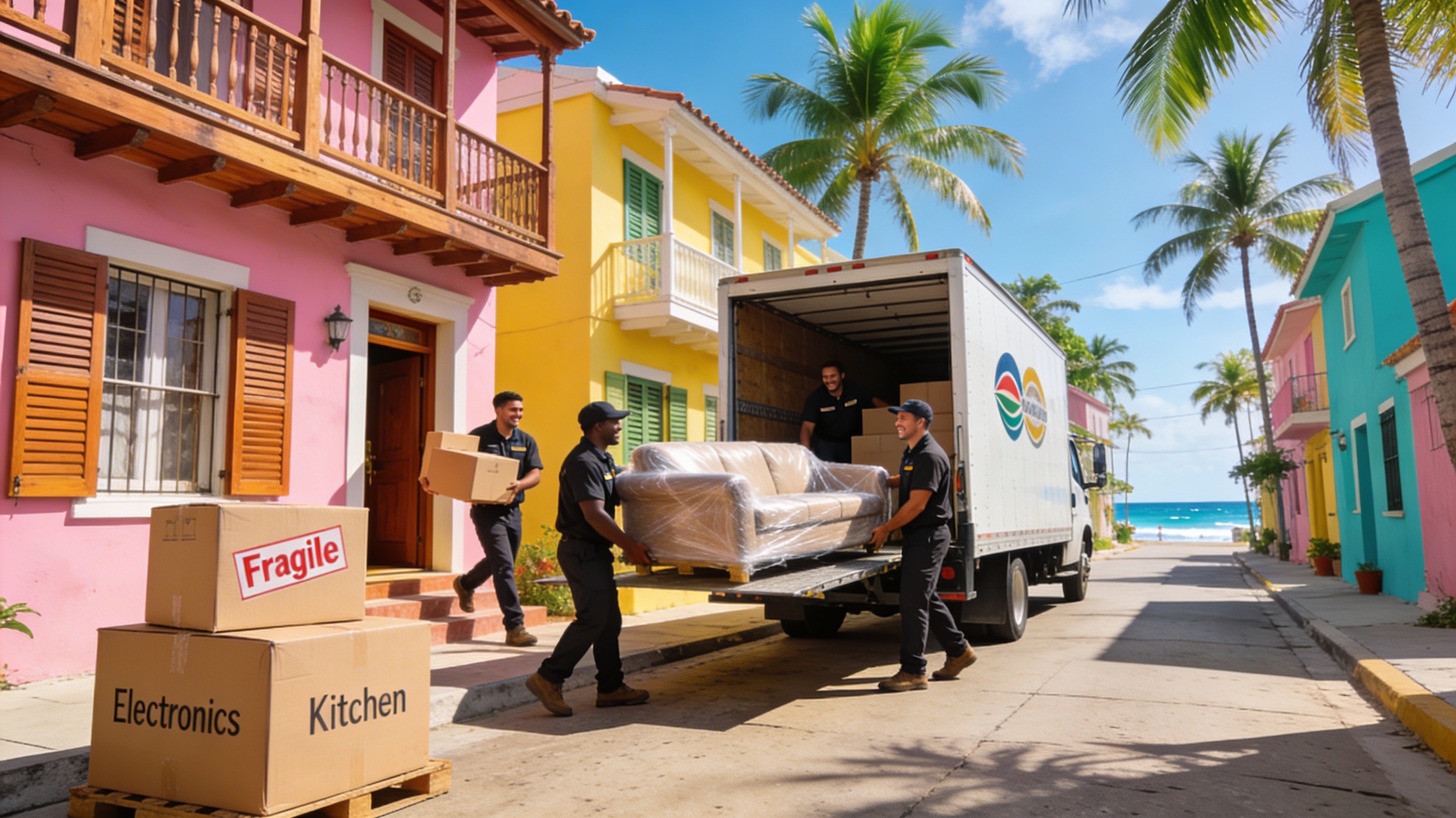
One of the first concrete choices you will make is how to handle the physical move itself. Because Puerto Rico is an island, many people underestimate the complexity of transport, port schedules, and the difference between shipping household goods and just flying with a few suitcases. Working with experienced movers in puerto rico can simplify everything from packing and loading to coordinating ocean or air freight and final delivery to your new address. A company that knows local ports, customs procedures, building access rules, and neighborhood parking restrictions will help you avoid delays, storage fees, and unexpected extra charges.
When evaluating moving companies, look beyond price alone. Ask about what is included in the quote, how they handle fragile items, and whether they offer door‑to‑door service or only port‑to‑port. It is also wise to check how they communicate during the move: do you get regular updates, a tracking option, and a clear point of contact? Transparent companies will gladly explain their process, timelines, and insurance options so you know exactly what to expect on both the mainland and Puerto Rico side.
Key Questions to Ask Your Moving Company
- Is packing included, or do you provide only transportation for pre‑packed boxes?
- Do you offer door‑to‑door service all the way to my new home in Puerto Rico?
- How are fragile or high‑value items documented and protected?
- What is the typical transit time, and how do you handle delays at the port?
- What insurance options are available, and what is covered in case of damage or loss?
Timing, Weather, and Seasonal Factors
Timing is another key factor when moving to Puerto Rico. Hurricane season, major holidays, and peak tourism periods can affect flight availability, port congestion, and even local traffic in busy coastal areas. Planning your move outside the busiest times often means more flexible dates, calmer logistics, and sometimes better rates from airlines and moving companies. Even if you must move during a busy period, locking in dates early and building in extra buffer days will reduce the risk of last‑minute surprises.
It is also wise to allow a buffer of several days on both ends of your move in case of weather disruptions or shipping delays. Keep essential items, documents, medications, and a few days of clothing with you instead of in the main shipment so you can function comfortably even if your container arrives later than planned.
Weather‑Aware Move Planning Checklist
- Check typical weather and hurricane season dates for your target move month.
- Book flights and freight early if you must move in peak season.
- Prepare an essentials suitcase that can cover at least one week on the island.
- Consider travel insurance or flexible tickets if your schedule is tight.
Housing, Utilities, and Neighborhood Choice
Housing and utilities deserve careful attention because they strongly influence your day‑to‑day experience and budget. Many newcomers choose to rent first and buy later, using the first six to twelve months to explore different areas and understand commute times, noise levels, and access to services. When comparing options, factor in not just rent but also electricity, water, internet, and potential building association fees, which can vary between municipalities and property types.
Some apartment buildings and gated communities have specific rules for elevator reservations, loading zones, and the hours when movers can work. Confirm these details before move‑in day and share them with your moving company so the crew can plan truck parking, security gate access, and elevator protection. Setting up electricity, water, and internet ahead of time will make your first week much more comfortable; if that is not possible, at least schedule installation visits for the earliest available dates after arrival.
Example Monthly Budget Snapshot
The numbers below are only illustrative, but they show how different cost categories add up for a single household renting an apartment in an urban area of Puerto Rico. Always adapt this framework to your own income, family size, and chosen municipality.
| Expense category | Typical examples | Notes |
|---|---|---|
| Housing and utilities | Rent or mortgage, electricity, water, internet | Can vary significantly between municipalities and building types. |
| Transportation | Car payment, fuel, insurance, maintenance, public transit | Living in walkable areas may reduce or delay the need for a car. |
| Groceries and household items | Food, cleaning supplies, basic home goods | Some imported goods may cost more than on the mainland U.S. |
| Healthcare and insurance | Health plan premiums, co‑pays, prescriptions | Research coverage options before arriving to avoid gaps. |
| Leisure and misc. | Dining out, activities, subscriptions, emergencies | Keep a buffer for unexpected costs in the first year. |
Budgeting and Choosing Puerto Rico Movers
Budgeting correctly will also make your transition smoother and protect you from unpleasant surprises. Besides standard moving fees, remember to account for packing materials, insurance, potential storage at the port or warehouse, and any extra charges for stairs, difficult access, or long carries at your new home. Reliable puerto rico movers should be transparent about their pricing structure and provide clear written estimates that list every possible surcharge in advance. Reading recent customer reviews and checking ratings will give you a better sense of service quality, punctuality, and communication style.
Typical Extra Fees to Watch For
- Long carry or shuttle fees if the truck cannot park close to your building.
- Charges for stairs or elevator restrictions in multi‑story buildings.
- Storage fees if cargo arrives before you can receive it.
- Packing or unpacking services, including materials like boxes and padding.
- Customs or port handling fees when shipping a vehicle or container.
Settling Into Life in Puerto Rico
Finally, take time to learn about local culture, language, and day‑to‑day life so your move feels like an upgrade rather than a constant adjustment. Even if you already speak Spanish, there may be regional expressions, administrative procedures, and holiday schedules that are new to you. Many newcomers find it helpful to schedule a “trial period” of several months where they stay flexible, observe how daily logistics work, and only then make long‑term decisions about housing, cars, or schools.
Patience, preparation, and the support of a trustworthy moving partner will make your relocation to Puerto Rico far less stressful and far more rewarding. When you approach the move as a gradual transition—rather than a single overwhelming event—you give yourself the space to enjoy the island’s advantages while gradually solving any challenges that appear along the way.